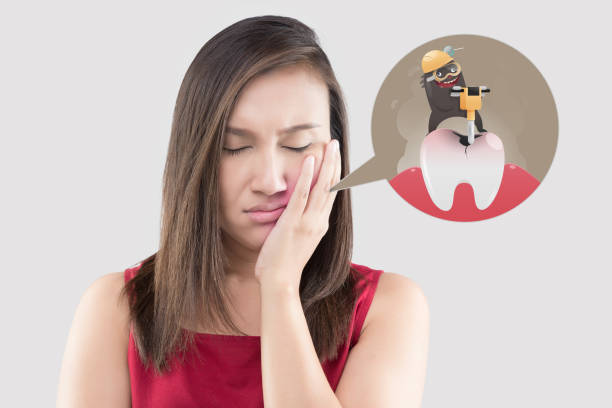
One of the most upsetting types of discomfort a person can have is tooth ache. Teethaches can cause unpleasant eating and drinking habits, interfere with daily living, and disturb sleep, whether they are dull, persistent aches or intense, throbbing pulses. The good news is that there are both clever long-term solutions and quick fixes available to assist alleviate and eventually avoid this prevalent issue.
This thorough guide will teach you how to manage and avoid future discomfort, as well as what causes tooth pain and what you can do right away to stop it quickly.
How Does Tooth Pain Occur?
Many things can cause tooth pain. Selecting the best treatment and preventing additional harm require an understanding of the underlying problem.
Typical Reasons for Tooth Pain:
Cavities caused by tooth decay:
Plaque erodes your tooth’s enamel, creating holes that reveal the tooth’s delicate inner layer.
Tooth Abscess: Often brought on by untreated cavities, this bacterial infection deep within the tooth’s root can produce excruciating, throbbing agony.
Gum disease (also known as gingivitis or periodontitis): If left untreated, inflammation or infection of the gums can result in pain, bleeding, and even damage to the jawbone.
Tooth Fractures or Cracks: When teeth break due to accidents or grinding, it can result in sensitivity and excruciating pain when chewing.
Tooth sensitivity: Usually brought on by worn enamel or gum recession, it is triggered by hot, cold, or sweet meals and beverages.
Impaction of Wisdom Teeth: Improper eruption of wisdom teeth can cause them to press against neighboring teeth, resulting in severe discomfort and infection.
Bruxism, also known as grinding or clenching, can wear down teeth and hurt the jaw and teeth, particularly in the morning.
How to Quickly Stop Tooth Pain: Quick Relief Advice
There are a number of techniques to relieve tooth pain right away at home or before your appointment, even if visiting a dentist is necessary for long-term care.
1. Rinse with saltwater
The reason it works is that saltwater, a natural disinfectant, can help ease inflammation and remove debris that has become lodged between your teeth.
How to apply:
In a cup of warm water, combine ½ teaspoon of salt.
Spend 30 seconds swishing in your mouth.
Do this two or three times a day.
2. The Cold Compressor
Why it works: It lessens swelling and numbs pain, particularly in cases of trauma or gum discomfort.
How to apply:
Cover a cold pack or ice with a cloth.
Every few hours, spend 15 to 20 minutes applying to the afflicted side of your face.
3. Painkillers sold over-the-counter
Why it functions: Quick alleviation of mild to moderate dental discomfort.
Among the options are:
Inflammation is decreased by ibuprofen (Advil).
Tylenol (paracetamol): For discomfort that doesn’t cause inflammation.
Aspirin can harm gum tissue, so avoid putting it directly on the tooth.
4. Oil of cloves
Why it functions: contains the natural anesthetic and antibacterial substance eugenol.
How to apply:
Apply directly to the sore tooth after dipping a cotton ball in clove oil.
As an alternative, rinse after combining a few drops with carrier oil.
5. Rinse with hydrogen peroxide
Why it functions: reduces inflammation and aids in bacterial death.
How to apply:
Combine equal parts water and 3% hydrogen peroxide.
After 30 seconds of swishing, spit. Avoid swallowing.
Use only once a day, not continuously.
6. Tea Bags with Peppermint
Why it works: Gums are soothed and somewhat numbened.
How to apply:
After steeping a tea bag and allowing it to cool, apply it to the afflicted area.
Additionally, you can use cold peppermint tea bags straight out of the refrigerator.
7. Paste with Garlic
Why it works: Garlic’s antibacterial qualities aid in the destruction of bacteria that cause tooth pain.
How to apply:
Add a touch of salt and crush a garlic clove.
Apply straight to the region that hurts.
8. Almond or Vanilla Extract
Why it functions: contains alcohol, which has the potential to momentarily dull discomfort.
How to apply:
Apply a tiny bit to the tooth using a cotton swab.
When a Dentist Should Be Seen While temporary solutions can be helpful, there are some telltale signals that you should seek medical attention right away:
Excruciating pain that doesn’t go away after 48 hours
inflammation of the jaw or face
Dental discomfort and fever (indication of infection)
Pus discharge or an unpleasant aftertaste
Breathing or swallowing difficulties
A broken or extracted tooth
Any of these could indicate that you have advanced gum disease, a deep infection, or an abscess, all of which need immediate dental care.
Expert Remedies for Dental Pain
The following treatments may be suggested by your dentist based on the diagnosis:
1. Fillings
If the cause is tooth decay, function will be restored and the pain will be stopped by extracting the decayed material and caulking the cavity with a dental filling.
2. A root canal
A root canal eliminates the infection, reduces discomfort, and preserves the tooth when there is dead or infected pulp inside it.
3. Extracting Teeth
Extraction could be the best course of action if wisdom teeth are impacted or a tooth is too damaged to be repaired.
4. Thorough Cleaning
Scaling and root planing aid in removing tartar and plaque from beneath the gum line, which relieves gum pain.
5. Cap or Crown
Crowns shield the tooth’s structure and lessen discomfort when applied to fractured or fragile teeth.
Long-Term Strategies for Avoiding Tooth Pain
It’s always better to prevent than to treat. Your risk of developing tooth discomfort in the future can be significantly decreased with good habits and a rigorous dental hygiene regimen.
1. Use a brush twice. Every day
Make use of a soft-bristled brush and fluoride toothpaste. Brush your teeth for at least two minutes, especially at night.
2. Floss every day to get rid of food particles and bacteria that brushing cannot get to between teeth.
3. Limit Acidic and Sugary Foods
Bacteria that cause cavities are fed by sugar. Enamel is eroded by acidic beverages such as soda and citrus.
4. Drink plenty of water
Drinking water keeps saliva moving and helps wash away bacteria and food particles.
5. If you grind your teeth, put on a mouthguard.
Wearing a nightguard helps prevent pain and fractures to your teeth if you clench or grind them.
6. Get a New Toothbrush
Every three to four months, or sooner if the bristles are frayed, replace your toothbrush.
7. Make Two Annual Dental Visits
Regular examinations assist in identifying issues early on before they become unpleasant or costly to fix.
Children’s Tooth Pain: Particular Attention
Toothaches in children can be caused by cavities, teething, trauma, or poor brushing habits. If your child expresses discomfort in their teeth:
Use warm salt water to rinse.
Apply a cold compress.
As advised, administer painkillers that are safe for children.
Steer clear of sugary snacks.
Schedule a dental appointment as soon as you can.
Strong essential oils or adult pain reliever gels should never be applied to a child’s gums unsupervised.
How Effective Are Natural vs. Medical Remedies?
Natural therapies can aid with mild discomfort and provide short-term relief. They shouldn’t, however, take the place of appropriate dental care, particularly for underlying conditions like decay, infection, or trauma.
The only practical solution is medical intervention for:
Deep cavities
Tooth cracks or abscesses
Wisdom teeth that are impacted
advanced periodontal disease
While you wait for your appointment, use home remedies to manage your pain, not to treat it.
Frequently Asked Questions
Q1: Is it possible to permanently relieve dental discomfort at home?
No. Although you can control the discomfort, a dentist must treat the underlying problem for long-term relief.
Q2: Which is better for dental discomfort, heat or ice?
In most cases, cold compresses work better to reduce inflammation. Heat can exacerbate infection-related edema.
Q3: Does dental pain resolve itself?
Minor discomfort brought on either sensitivity or food being caught between teeth can occasionally go away. However, acute or ongoing discomfort indicates a more serious issue.
Q4: What relieves nighttime tooth pain?
Keep your head up as you sleep.
Steer clear of sugary or cold foods right before bed.
As prescribed, take pain relievers.
Apply clove oil or use salt water to rinse.
If the discomfort returns, get in touch with your dentist.
Conclusion: Prompt Action, Prolonged Health
Your body’s warning sign that something is amiss is tooth pain. Even though over-the-counter drugs and home cures can offer immediate relief, schedule a dental appointment as soon as possible. Ignoring the pain could eventually result in infections, tooth loss, and expensive surgeries.
Start with quick alleviation methods if your tooth pain is acute or severe, and then make an appointment for a professional examination. You can quickly stop tooth pain and preserve your smile for the rest of your life with the correct treatment plan and preventive care.