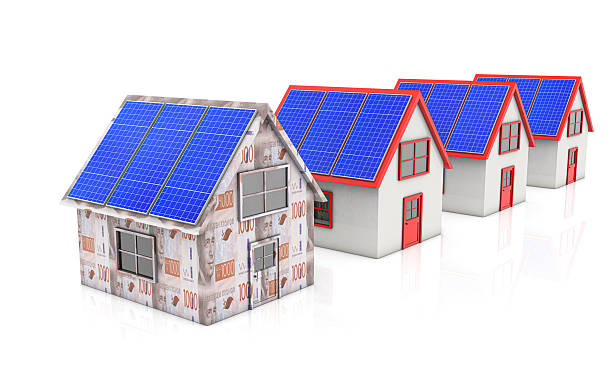
In addition to lessening your impact on the environment, energy-efficient improvements in 2025 may save your monthly electricity costs and improve the comfort and value of your house. Homeowners may now reduce energy expenses without making significant financial commitments by implementing small but effective adjustments as technology develops and sustainable living becomes more widely available. Since many of these improvements may be made gradually, you can start saving money nearly right away and help the environment at the same time.
Installing energy-efficient lighting is one of the best renovations. Since LED bulbs last far longer and consume up to 80% less power than conventional incandescent lights, they have become the industry standard by 2025, lowering the need for replacements. By enabling you to schedule lights, lower them when not in use, or even turn them off remotely, smart lighting solutions increase efficiency. By ensuring that energy is only used when needed, motion sensor lighting in restrooms, outdoor spaces, and corridors lets you easily reduce your total consumption.
Another effective and reasonably priced method of conserving energy is to upgrade to a smart thermostat. When you’re home, away, or sleeping, smart thermostats automatically change the temperature based on your heating and cooling preferences. Even low-cost versions in 2025 include geofencing, which recognizes when you’re getting close to home and adjusts the temperature appropriately to prevent energy waste. You can maintain a pleasant interior atmosphere all year round while reducing heating and cooling expenses by up to 20% by optimizing the efficiency of your HVAC system.
Although it may not appear glamorous, sealing air leaks and upgrading insulation are two of the most economical ways to save energy. Gaps around windows, doors, and ducting cause large losses in heating and cooling in many houses. Energy loss may be significantly decreased with easy improvements like caulking windows, weatherstripping doors, and adding insulation to the walls or attic. By 2025, environmentally friendly insulation options such as spray foam or cellulose will be widely accessible, reducing energy costs and making houses warmer in the winter and cooler in the summer.
Another long-term improvement is switching out outdated appliances with ENERGY STAR-rated replacements. Compared to earlier models, modern refrigerators, dishwashers, washing machines, and dryers consume far less water and power. By 2025, a lot of these appliances will also have smart capabilities that allow you to arrange cycles during off-peak hours and keep an eye on energy use, which will further reduce expenses. The energy efficiency of your house may be increased gradually by replacing one large item at a time, even if you are unable to do so all at once.
Energy-efficient windows are a wise investment since windows are a significant source of heat intake and loss. Low-emissivity (Low-E) coatings on double- or triple-pane windows minimize heat transmission, improving home comfort without putting undue strain on your HVAC system. If replacing windows is out of your price range, using thermal curtains or insulating window film is a cost-effective way to increase efficiency. By 2025, a lot of houses will also have automatic smart blinds that change their settings according to the amount of sunshine, which would cut down on the need for artificial heating and cooling.
Another area where energy conservation might result in cost savings is in water heating. Energy waste may be decreased by switching to a tankless water heater, which warms water as needed rather than storing it. Installing a heat pump water heater, on the other hand, consumes much less power than conventional types. Lowering heat loss and energy bills may also be achieved with easy fixes like insulating your water heater and pipes. By 2025, solar water heaters—which provide free renewable energy for daily use—have grown in popularity and affordability in sunny areas.
Although installing solar panels requires a bigger initial outlay, there are substantial long-term benefits. By 2025, solar technology will be more cost-effective and efficient than before, and many places will provide tax breaks or subsidies to encourage installation. In addition to significantly lowering or even eliminating power costs, solar panels may raise the value of your house. When combined with a home battery storage system, you may maximize your savings by storing extra energy for use at night or during blackouts.
Small, low-cost modifications that assist you in locating and removing energy waste include energy monitors and smart power strips. Phantom energy is the term for the power used by many gadgets even when they are not in use. When not in use, smart power strips entirely switch off electricity to devices like chargers, TVs, and PCs. Real-time tracking of your home’s energy use via energy monitoring devices enables you to identify areas of energy waste and modify your behavior appropriately.
If your HVAC system is out of date, upgrading it is another worthwhile upgrade. High-efficiency heating and cooling systems of today provide greater temperature control while using less energy. Due to its zoned heating and cooling capabilities, which let you just heat the areas you need and save even more energy, ductless mini-split systems are popular in 2025. Frequent maintenance, such as cleaning the ducts and changing the air filters, also increases efficiency without incurring significant expenses.
Another excellent strategy to reduce utility costs is to install water-saving devices. Installing low-flow toilets, faucets, and showerheads saves water while maintaining high performance. By 2025, smart water systems will be able to measure use, identify leaks, and even turn off the water on their own in the event of an issue, avoiding waste and costly damage. These improvements, when paired with energy-efficient equipment, save energy and water costs.
Energy efficiency may also be enhanced by landscaping. Windbreaks prevent heat loss in the winter, while properly placing shade trees around your house may save cooling expenses in the summer. Drought-resistant landscaping is popular among households in 2025 because it saves water and helps preserve resources. By reducing direct sunlight on windows, even something as easy as installing an awning or pergola may naturally decrease the temperature inside.
All of these energy-saving improvements come together with home automation systems, which let you manage your appliances, lights, and temperature from a single location. By 2025, it will be simple to set up routines, optimize energy use, and get reports on your savings using reasonably priced smart home platforms. For instance, you may set your thermostat and lights to change on their own before you leave for work, saving energy without having to do anything additional.
When paired with these improvements, even modest daily routines may result in significant cost savings. Efficiency may be increased by turning off unneeded devices, letting clothing air dry, running dishwashers and washing machines with full loads, and adjusting thermostats a few degrees higher in the summer and lower in the winter. These easy actions optimize sustainability and savings when combined with energy-saving technologies.
The greatest thing about 2025 energy-efficient renovations is that a lot of them are inexpensive, simple to install, and qualify for tax breaks or rebates. You may see effects right away by beginning with easy solutions like improved insulation, smart thermostats, and LED lighting. Larger purchases like solar panels, new windows, or energy-efficient appliances might eventually result in even higher savings, increasing the comfort, value, and environmental friendliness of your house.