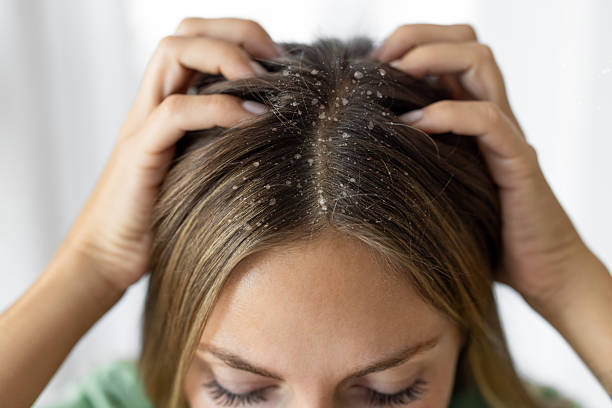
The common scalp ailment known as dandruff is typified by the skin on the scalp flaking. Many individuals throughout the world frequently worry about it because it can cause discomfort, redness, and itching. Although dandruff is not a serious medical condition, it can have an impact on one’s appearance and self-esteem. Using a specialist dandruff shampoo is one of the best ways to deal with dandruff. The significance of dandruff shampoos, their active components, and how to pick the best one for your needs are all covered in this article.
When the scalp sheds dead skin cells more quickly than normal, dandruff develops. Normal skin renewal takes about a month, but dandruff accelerates this process, resulting in noticeable white flakes. A dry scalp, sensitivity to hair care products, fungal infections like Malassezia yeast, or other scalp disorders like psoriasis or seborrheic dermatitis are some of the causes, which might vary. The intensity of dandruff can also be influenced by weather, food, and stress.
Dandruff shampoos are designed to target the overgrowth of yeast and accelerated skin cell turnover, which are the main causes of dandruff. Through active compounds that regulate fungi, inflammation, or dryness, they aid in reducing flaking, relieving itching, and reestablishing the health of the scalp.
Antifungal ingredients such as ciclopirox, zinc pyrithione, selenium sulfide, and ketoconazole are found in many dandruff shampoos. A potent antifungal that specifically targets Malassezia yeast is ketoconazole. Selenium sulfide inhibits the growth of scalp fungi and slows down cell turnover. Zinc pyrithione is frequently used to treat mild to moderate dandruff because of its antifungal and antibacterial qualities. Another antifungal that aids in more serious situations is ciclopirox. These components lessen irritation and flaking by interfering with the fungus’ life cycle.
Dandruff shampoos frequently include antifungal chemicals as well as compounds that calm and lessen irritation. In order to gently exfoliate dead skin cells, salicylic acid is frequently added. Even though it isn’t used as often these days, coal tar helps with scaling and slows down the formation of skin cells. Because of their soothing and antibacterial qualities, natural extracts including neem, aloe vera, and tea tree oil are well-liked.
The degree of dandruff, hair type, scalp sensitivity, and individual preferences for scent and natural versus medicated products are some of the factors that influence the choice of dandruff shampoo. Shampoos that contain natural ingredients or zinc pyrithione are frequently effective in controlling mild dandruff. Products containing selenium sulfide or ketoconazole are typically more effective for moderate to severe dandruff.
Carefully following the directions on the shampoo bottle is crucial. For the majority of dandruff shampoos to be effective, the product must be left on the scalp for a few minutes. The effectiveness of the treatment may be diminished if applications are skipped; regular and consistent use is essential. To prevent dry scalp, some shampoos should be used a few times a week, while others should be used every day.
Before beginning any dandruff therapy, anyone with sensitive skin or scalp issues should exercise caution and may want to see a dermatologist. Dryness, redness, or irritation can occasionally result from using medicated shampoos excessively or improperly. Shampoos with calming elements and less antifungal agent concentration are better for these people.
In addition to shampoo, dandruff can be controlled by keeping up a healthy hair care regimen. This include controlling stress levels, avoiding harsh hair products that can irritate the scalp, washing hair frequently to get rid of dead skin and excess oil, and eating a balanced diet full of vitamins and minerals that are good for skin health.
Despite their effectiveness, dandruff shampoos do not provide a long-term solution. Particularly if the underlying causes continue, dandruff may reoccur. Consequently, even after symptoms subside, continued use of dandruff shampoo may be required to maintain the health of the scalp.
In conclusion, by addressing the underlying causes of dandruff, such as fungal overgrowth and rapid skin cell turnover, dandruff shampoos are essential for managing and controlling the condition. Achieving comfort and preserving the health of your scalp can be greatly impacted by knowing the active components and selecting the best treatment for your condition. Dandruff shampoos can help you feel more confident and have healthy, flake-free hair when used in conjunction with a good hair care regimen.